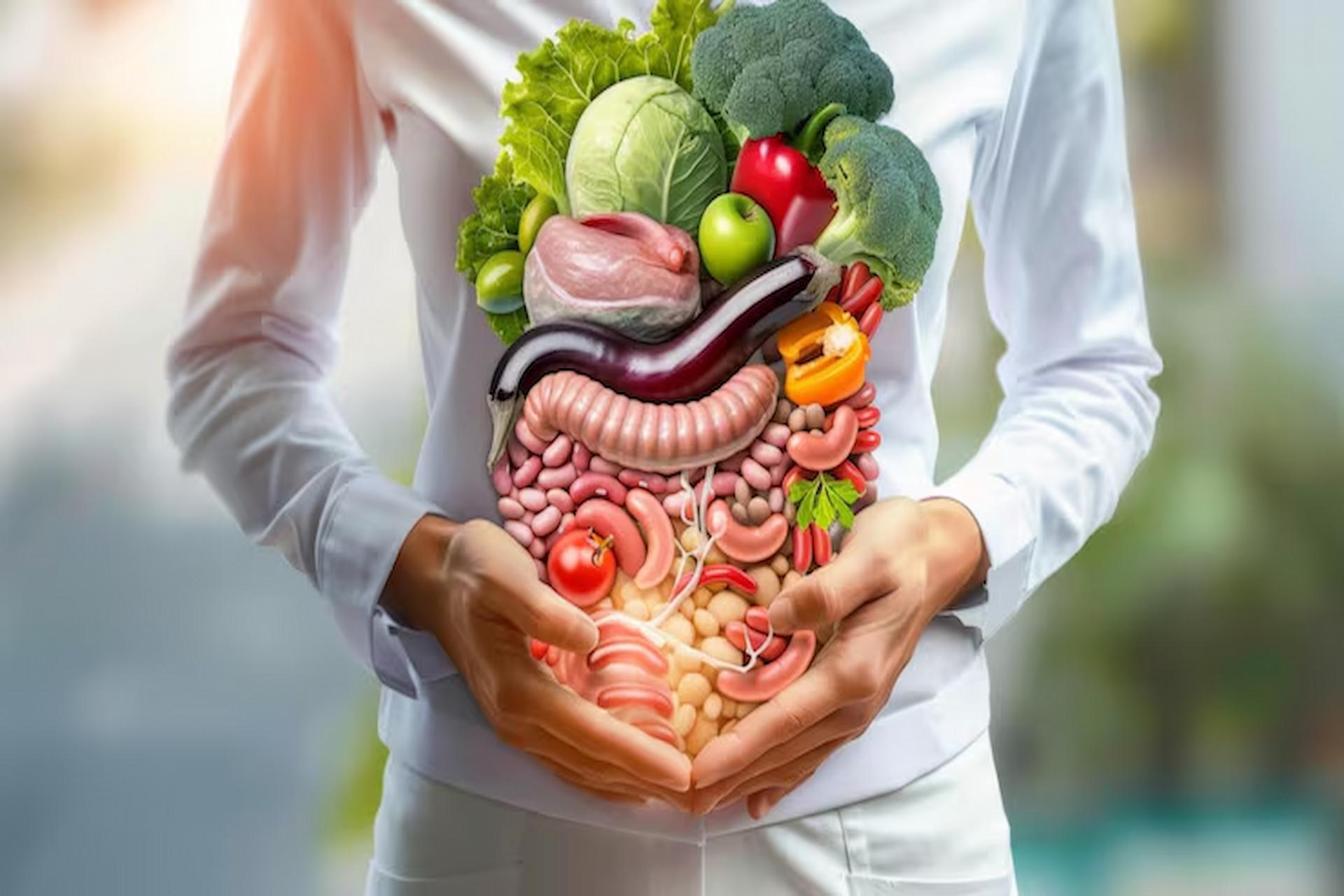
Deep within your digestive tract lies a complex ecosystem of trillions of microorganisms known as the gut microbiome. Often referred to as the “second brain,” this microscopic world influences everything from your metabolic rate and immune resilience to your mental clarity and skin health. When this delicate balance of bacteria, fungi, and viruses is thriving, your body functions like a well-oiled machine. However, modern lifestyle factors—such as processed diets, chronic stress, and environmental toxins—frequently disrupt this equilibrium, leading to bloating, fatigue, and systemic inflammation.
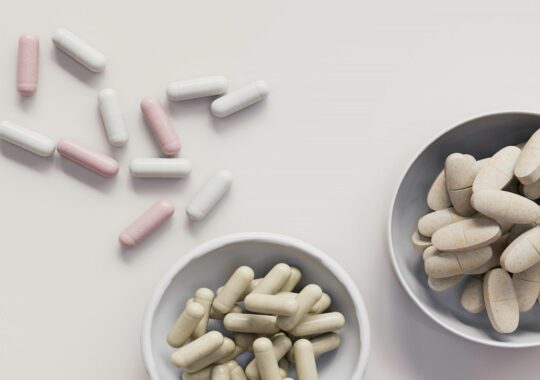
Strengthening your gut health isn’t just about avoiding discomfort; it is about cultivating a biological environment that supports long-term longevity. Many people find that adding high-quality probiotic supplements to their daily routine serves as an excellent foundation for restoring microbial diversity. By introducing specific, beneficial strains of live bacteria, you can help crowd out opportunistic pathogens and reinforce the intestinal barrier. This proactive approach to internal wellness ensures that your “invisible engine” remains fueled and functional.
The Pillars of a Fiber-Rich Diet
While supplementation provides a necessary boost, the long-term sustainability of your gut health depends heavily on the fuel you provide through whole foods. Fiber is the primary source of nutrition for your beneficial bacteria. Specifically, prebiotic fibers—found in garlic, onions, leeks, and asparagus—act as specialized fertilizers that help your indigenous microbes flourish.
When you consume complex carbohydrates, your gut bacteria ferment these fibers into short-chain fatty acids (SCFAs) like butyrate. Butyrate is essential for the health of the colon lining, providing energy to the cells that protect your bloodstream from undigested food particles and pathogens. Without adequate fiber, your gut bacteria may begin to consume the protective mucus layer lining your intestines, potentially increasing intestinal permeability, commonly known as “leaky gut.”
Fermentation: The Ancient Art of Bacterial Support
Long before modern refrigeration, humans relied on fermentation to preserve food. This ancient practice accidentally created some of the most potent gut-healing tools available today. Fermented foods are naturally rich in diverse microbial life. Incorporating items like unpasteurized sauerkraut, kimchi, kefir, and miso introduces a wide spectrum of bacteria that can improve digestion and modulate the immune system.
The beauty of fermented foods lies in their synergy. While probiotic supplements offer targeted delivery of specific, clinically studied strains to address particular health concerns, fermented foods provide a broad “multivitamin” of microbial life. Combining both methods creates a comprehensive strategy for internal balance. By rotating your sources of fermented products, you ensure that your microbiome remains adaptable and resilient against environmental stressors.
The Role of Polyphenols in Microbial Diversity
Beyond fiber and probiotics, polyphenols play a crucial role in gut health. These antioxidant compounds, found in brightly colored fruits, vegetables, green tea, and even dark chocolate, are not easily absorbed in the small intestine. Instead, they travel to the colon, where gut microbes break them down into smaller, anti-inflammatory metabolites. This interaction is a two-way street: the microbes help you absorb the nutrients, and the nutrients help the “good” bacteria grow.
Lifestyle Factors That Influence Gut Microbes
Your gut health is not determined solely by what you put on your plate. Your lifestyle habits exert a profound influence on the composition of your microbiome. Sleep, stress management, and physical activity are three non-negotiable pillars of a healthy gut.
The Gut-Brain Axis and Stress
The communication between your gut and your brain is bidirectional. When you experience high levels of cortisol due to chronic stress, it can physically alter the lining of the gut and reduce the diversity of your bacterial colonies. Practicing mindfulness, deep breathing, or yoga can actually shift your gut chemistry, moving it from a state of “fight or flight” to “rest and digest.”
Sleep and Circadian Rhythms
Your gut bacteria have their own circadian rhythms. When your sleep schedule is erratic, your microbes can become desynchronized, leading to metabolic disruptions and weight gain. Prioritizing seven to nine hours of quality sleep helps maintain the cyclical patterns of bacterial activity necessary for efficient digestion and hormone regulation.
Practical Steps for Daily Microbial Support
Building a robust gut microbiome doesn’t happen overnight. It requires consistent, small changes that accumulate over time. To help you get started, consider implementing the following natural strategies:
- Eat the Rainbow: Aim for 30 different plant-based foods per week to maximize the variety of fibers and polyphenols available to your microbes.
- Hydrate Strategically: Drink plenty of filtered water, but try to avoid large amounts during meals, as this can dilute digestive enzymes.
- Prioritize Movement: Moderate exercise increases the production of beneficial bacteria that help lower systemic inflammation.
- Limit Artificial Sweeteners: Certain sugar substitutes, such as aspartame and saccharin, have been shown to negatively affect gut bacterial profiles.
- Embrace Dirt: Spending time in nature and gardening exposes you to a diverse array of environmental microbes, strengthening your immune system.
The Importance of Professional Guidance
While the fundamentals of gut health—fiber, fermentation, and stress management—apply to almost everyone, bio-individuality is real. What works for one person might cause discomfort for another, especially for those dealing with Small Intestinal Bacterial Overgrowth (SIBO) or specific food sensitivities.
If you are dealing with chronic digestive issues, it is wise to consult with a healthcare professional who specializes in functional medicine. They can provide advanced testing to identify specific imbalances and help you tailor your dietary and supplemental approach to your unique biological needs.
Conclusion
True health begins in the digestive system. By prioritizing a diverse diet rich in fiber and polyphenols, managing your stress levels, and utilizing microbial support, you can transform your internal landscape. This holistic approach does more than soothe your stomach; it fortifies your immune system, clears your mind, and enhances your energy. Investing in your gut today is a commitment to a vibrant, resilient future. Listen to your body and feed your foundation.