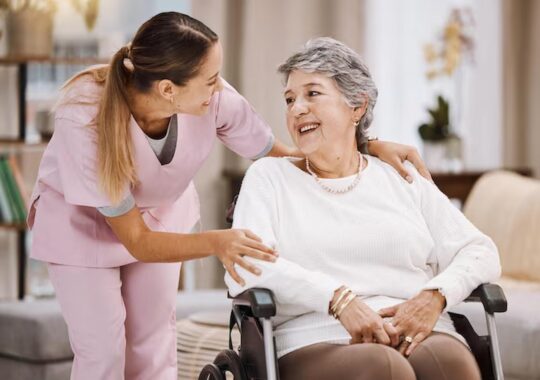
Watching a parent, spouse, or close relative grow older is a journey marked by shifting dynamics and evolving needs. For many, there comes a point where the support they require exceeds what can be comfortably or safely provided within the family home. Recognising this transition is rarely about a single dramatic event; rather, it is often a gradual accumulation of small, subtle changes that signal a need for professional intervention. Understanding these signs early is the kindest way to ensure your loved one maintains their dignity, health, and happiness in their later years.
Deciding to explore residential options is a significant step, but it is one rooted in compassion and the desire for a better quality of life. If you have started noticing that daily tasks are becoming a struggle, it may be time to research high-quality care homes in Norwich to see what specialist facilities are available in the local area. By acting proactively, families can involve the individual in the decision-making process, ensuring that the transition feels like a positive step forward into a supportive community rather than a reactive crisis response.
Physical Indicators and Declining Mobility
One of the most visible signs that a loved one requires additional support is a change in their physical well-being. Ageing naturally brings a degree of frailty, but when mobility issues begin to lead to frequent falls or an inability to navigate the home safely, the risk of serious injury increases. You might notice that they are increasingly reluctant to use the stairs or that they are “furniture walking”—leaning on tables and chairs for stability—rather than moving independently.
Physical health also manifests in personal appearance. If a previously meticulous individual begins to neglect their personal hygiene, it is rarely a choice. It often stems from the fact that bathing, dressing, or even brushing teeth has become physically exhausting or frighteningly difficult. When looking into care homes in Norwich, you will find that many residents benefit immensely from having professional assistance with these daily routines, which in turn restores their confidence and sense of self.
Changes in Nutritional Habits
Another critical physical indicator is weight loss or a change in eating habits. Take a look inside their kitchen: is the fridge stocked with fresh produce, or is it filled with out-of-date items? Are they relying on biscuits and tea instead of balanced meals? Cooking requires fine motor skills, cognitive planning, and the physical strength to stand for long periods. If any of these are failing, nutrition is often the first thing to suffer, leading to a weakened immune system and further physical decline.
Cognitive Shifts and Memory Concerns
While physical health is easier to track, cognitive decline requires a more nuanced level of observation. It is perfectly normal to forget a name or misplace keys occasionally, but persistent disorientation is a different matter. If a loved one is becoming confused about the time of day, forgetting how to perform familiar tasks like using the kettle, or getting lost in places they have known for decades, these are hallmark signs of cognitive impairment that may require specialist memory care.
The Challenge of Medication Management
For many seniors, managing a complex regime of pills and prescriptions is a daily necessity. However, as cognitive abilities slip, the risk of medication errors grows. Forgetting a dose is dangerous, but double-dosing can be fatal. If you notice that pill organisers are being used incorrectly or that prescriptions are not being collected, it suggests that the level of supervision required has moved beyond what occasional home visits can provide. Professional care settings offer the peace of mind that all health requirements are being managed by trained clinical staff.
Social Isolation and Emotional Well-being
We often focus on the physical and mental, but the emotional health of a loved one is just as vital. Loneliness is one of the most significant challenges facing the elderly in the UK today. If your relative has stopped attending social clubs, no longer answers the phone, or seems increasingly withdrawn, they may be suffering from social isolation. This is often exacerbated by the loss of a driving licence or the passing of local friends, leaving them trapped within their own four walls.
Care home environments are designed to combat this by fostering a sense of community. From organised excursions to communal dining and hobby groups, these settings provide a vibrant social life that is often impossible to replicate in a domestic setting. Seeing a loved one rediscover their love for gardening or music within a supportive environment is one of the most rewarding aspects of making the move to residential care.
Key Signs to Watch For (A Checklist for Families)
If you are unsure whether the time is right, consider the following checklist. If more than three of these points resonate with your current situation, it is likely time to begin a formal assessment of their care needs.
- Unexplained Bruising: Frequent marks that suggest falls or collisions with furniture that the individual cannot explain.
- Neglected Household Tasks: A buildup of clutter, piles of unopened mail, or an unusually dirty living environment.
- Erratic Behaviour: Sudden mood swings, increased agitation, or “sundowning” (confusion that worsens in the evening).
- Wandering: Leaving the house at odd hours or becoming confused about their location.
- Caregiver Burnout: If you or other family members are feeling physically and emotionally exhausted by the demands of providing support.
- Frequent Hospital Admissions: Recurring UTIs, respiratory infections, or injuries that suggest a lack of preventative care at home.
Taking the Next Steps with Confidence
Starting the conversation about care is rarely easy, but it is an essential one. It is important to approach the topic with empathy, focusing on the benefits of safety, socialisation, and professional support rather than the loss of independence. In many ways, moving into a care home is an act of reclaiming independence, as it frees the individual from the burdens of home maintenance and the fear of being alone in an emergency.
When researching options, visit several facilities to get a feel for the atmosphere. Look for places that feel warm, active, and transparent. Ask about the ratio of staff to residents and the types of activities on offer. A high-quality care provider will welcome your questions and encourage you to take the time you need to make the right choice for your family’s unique circumstances.
Conclusion
Recognising that a loved one might need the support of a care home is a transition filled with complex emotions. However, by staying observant of the physical, cognitive, and social signs, you can act before a crisis occurs. Whether it is noticing a decline in personal hygiene, a worrying trend of forgetfulness, or the heavy toll of social isolation, these indicators are clear signals that a higher level of care is required. Transitioning to a professional setting ensures that your relative receives the specialist attention they deserve, allowing your relationship with them to return to one of companionship rather than just caregiving. Ultimately, choosing to seek professional support is a profound act of love that prioritises their long-term health, safety, and quality of life.